ARTICLES
Sticker Style Tattoos and Patchwork: How to Plan a Collection You Will Still Like
Sticker style tattoos and patchwork collections age best with a plan. Spacing, flash vs custom, one artist or many, and what the evidence really shows.
TL;DR: Sticker style and patchwork tattoos work best when you plan the whole limb before the first piece. Place big pieces first, fill gaps last, keep line weight, scale and palette steady, and be careful with tiny details and thin white borders. Shops disagree on one artist versus many. The evidence here is mostly artist and shop opinion plus general skin science, not studies of patchwork.
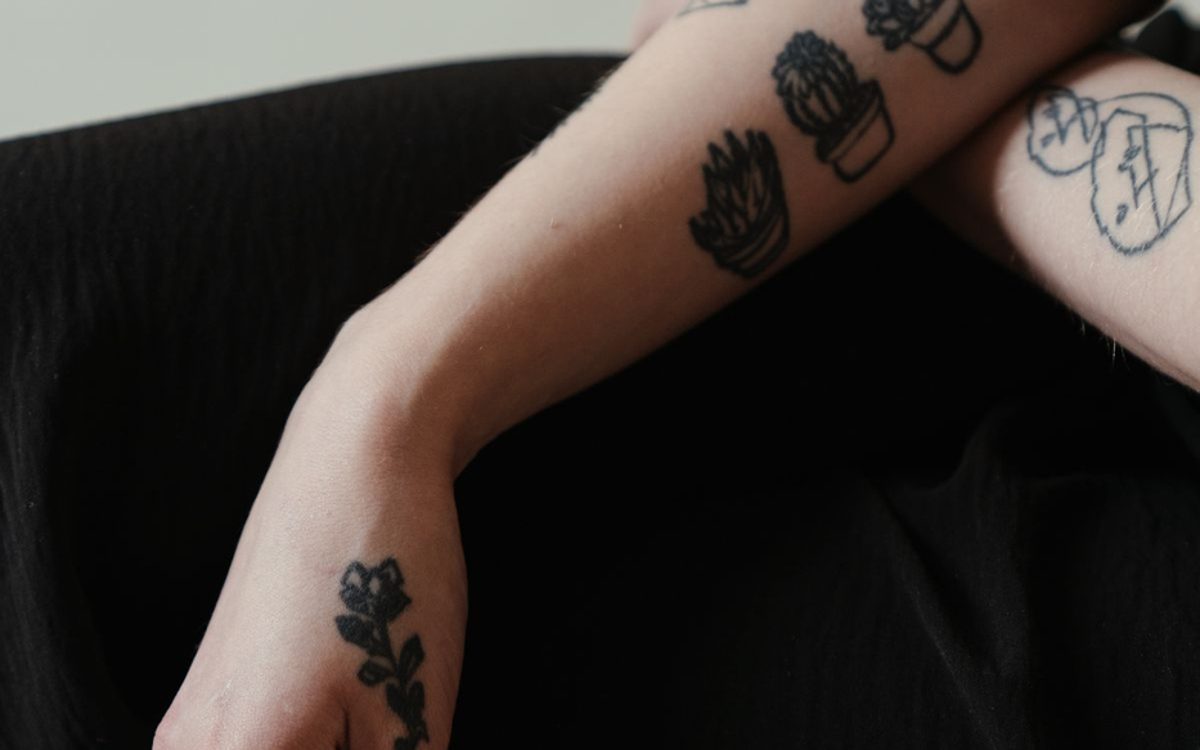
Picture a forearm with a cartoon cherry, a flaming heart, a tiny ghost and a snake in a top hat, each floating on bare skin like stickers on a laptop lid. That is sticker style tattoos done right.
Now picture the same arm with six more pieces squeezed into the gaps, three different line weights, and a white outline that has gone soft. Same idea. Very different result.
Sticker style and patchwork are easy to start and easy to wreck, because every piece feels small and low stakes. The risk lives in the sum of them. This post is about the planning side: spacing, flash versus custom, working with one artist or several, and keeping the whole thing readable years from now.
It is not a trend recap. For that, read our tattoo trends 2026 breakdown. One warning up front: we went looking for artists and dermatologists, and the honest summary is that most of this is professional opinion, not research. We say where.
What counts as sticker style, and what counts as patchwork?
Patchwork is a layout. Sticker style is a look. They overlap, but they are not the same thing.
Bustle's 2021 patchwork piece describes patchwork as separate images spaced apart rather than one connected design. Artist Gianna Caranfa told Bustle she places each piece where it fits and keeps them open and "breathable" instead of filled in with shading.
Sticker style is the look: bold outlines and playful imagery that seem peelable. A Painful Pleasures forecast from January 2026 says clients like building these over time instead of committing to one big piece. Some artists go literal. Luke Cormier told Tattoo Life that people kept saying his work looked like stickers, so he added a white border and leaned in.
Where should the first piece go if you might want a sleeve later?
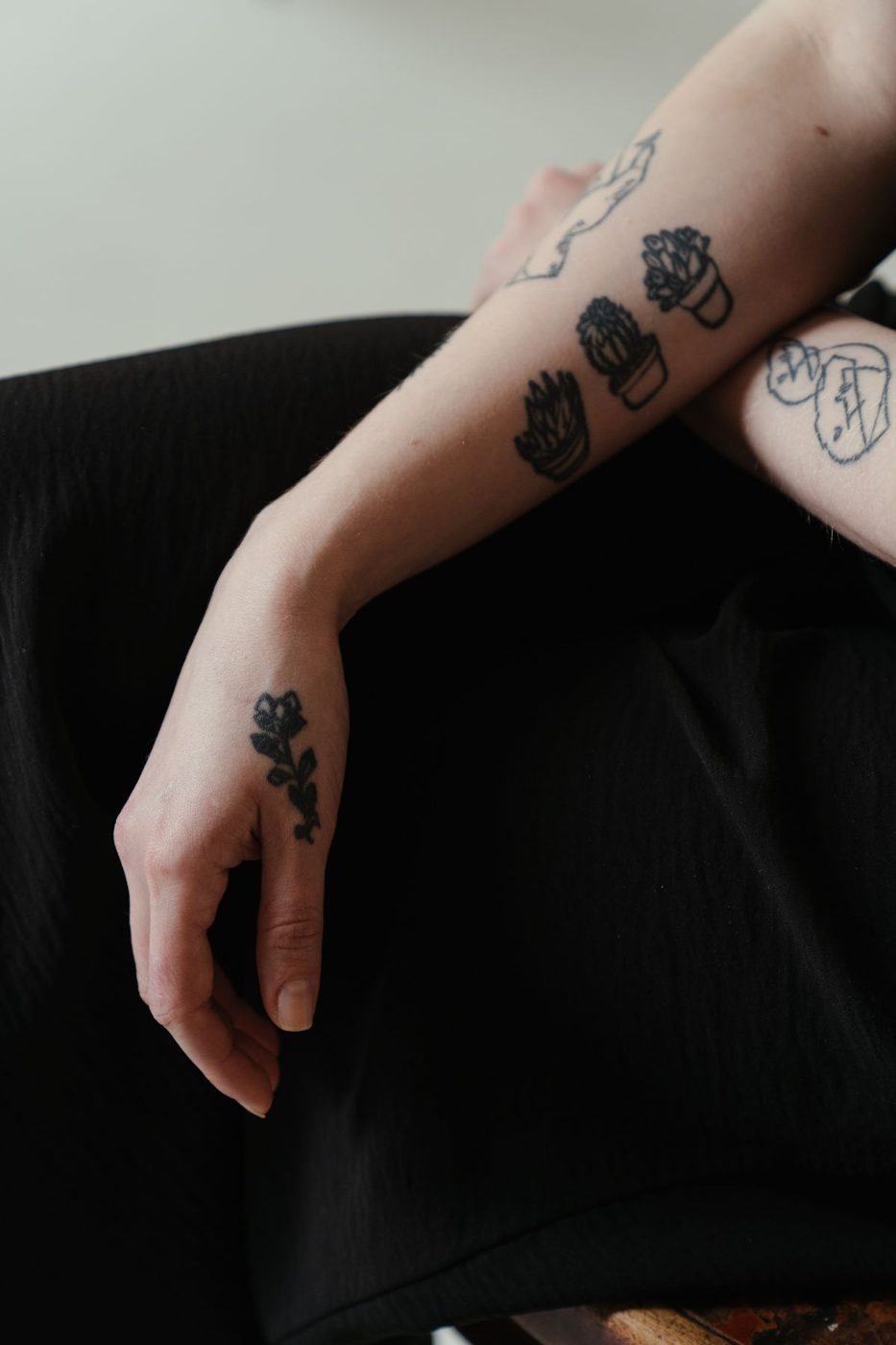
Treat the first piece as an anchor, not a one-off. Put it where a bigger plan could grow around it, and do not use up prime skin on something small.
The shop blogs we read agree on this, and that agreement is most of what we have. A Colorado shop, United Tattoo, says to place the largest pieces first and add filler last. A numbing-cream retailer's blog, No Pain Tattoo, warns against filling prime zones with small pieces early because it can leave no room for pieces you are saving up for. IGLA Tattoo Studio suggests putting hero pieces on the outer bicep, outer forearm or the flat of the inner forearm.
A Brooklyn shop, Monolith Studio, says to ask your artist for a flexible layout with room for additions. It estimates a full patchwork sleeve at 10 to 25+ hours across months or years. That is one shop's range, not an industry number.
Pick the spot with your placement guide open. Think about the whole limb, not the first square inch.
How far apart should the pieces be?
We could not find a number. None of the four shop guides above give a measurement, and we did not find an artist who does. Treat any confident inch figure with suspicion.
What the shops do agree on is intent. Monolith says to resist filling gaps too quickly. United says to check each piece alone, next to existing work, and as the body moves. IGLA treats negative space as part of the composition, and says packed arms and open arms can both look cohesive if it is deliberate.
Here is our read, and it is labelled as ours. The blur sources warn about happens inside a piece, where fine details merge. So spend your attention there: leave real room inside each sticker, then ask your artist how much bare skin each piece needs for the placement. The answer will depend on skin, size and style.
Do sticker style tattoos age worse than other styles?
We found no source that studied sticker style or patchwork aging. What exists is general guidance on how ink ages, and some of it bites sticker work in specific spots.
Dermatologist Nicolas Kluger of Helsinki University Hospital, interviewed by skincare brand Stories & Ink, advises avoiding micro tattoos and excessive small detail because they blur within years. He also says lighter inks, especially white, fade faster, which is why tattooists use white only for small details. Dermatologist Macrene Alexiades told The Zoe Report much the same about light inks. The Ireland edition of a studio blog, Ray Studios, says a very fine line can double in width over the years.
Our read: the part of sticker style most exposed is the thin white border and the tiny interior detail. That is inference, not something any of these sources said about stickers. Ask for healed photos of that exact feature, not fresh ones.
Sun and skin matter too. MD Anderson dermatologist Anisha Patel says tattoos change as collagen is lost, faster with chronic sun, and especially where collagen is thinnest, like the arms. Dermatologist Elizabeth Hale, also quoted in that Zoe Report piece, says UV can speed pigment breakdown and recommends SPF 30 or higher. Patchwork loves the arm. Wear sunscreen on it.
Jon Mesa of No Idols NYC, in a 2022 InsideHook piece, is described as having called micro tattoos "snake oil" before, and says tattooers should aim for work that looks good for 20 years, which he calls his opinion. For the full picture, see how tattoos age and the fine line guide.
Should you pick flash or custom?
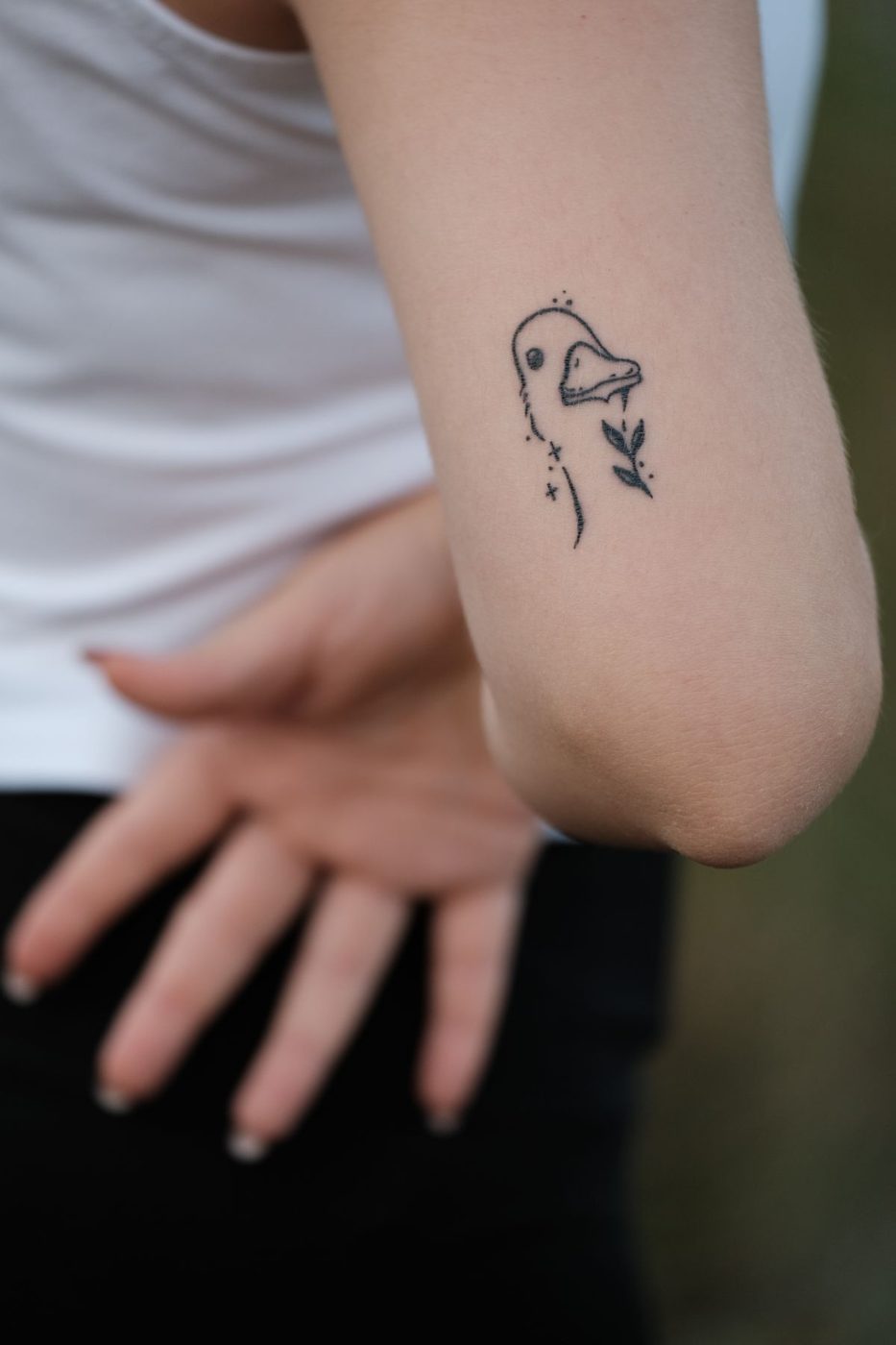
Flash suits patchwork because it is built to stand alone. Custom wins when a piece has to fit around what is already on your arm.
Monolith says flash is designed to stand alone, and puts flash or smaller custom pieces at roughly 1 to 4 hours per session. United makes the same standalone point. Chronic Ink Tattoo says flash modifications are usually minimal, so a big change means a different design or a custom job. It also separates market flash, such as hearts and roses that several clients may get, from collector flash, an artist's original art that they rarely repeat. Ask which one you are looking at.
That matters because of identical-tattoo fatigue. Stu Hepcat of Hepcat Tattoos in Glasgow told Insider that trendy designs get mass-produced and lose the individuality tattoos should have. Your cartoon cherry is only yours if nobody else on the bus has it.
Artist Ishana Aggarwal, in a 2023 Homegrown piece, describes flash sheets from various artists with very different styles. She sees tattooing shifting toward something like a gallery of favourite artists.
One artist or many?
Sources split on this, and both sides have a point.
IGLA says one studio or artist keeps line weight, shading and look consistent. United agrees one artist can plan with the whole sleeve in mind, while many artists make it a personal archive that needs watching for balance. Monolith goes the other way and calls multiple artists a feature of patchwork, not a limitation.
No Pain Tattoo gives the practical middle: bring photos of your existing work, check that a new artist will design around it, and watch for seams where two artists' hard edges meet.
If you go multi-artist, vet each one for how they handle healed work and existing pieces. Our guide on how to vet a tattoo artist covers it.
How do you keep line weight and style consistent?
Decide on the shared rules before the first needle, then hold every new piece to them.
United's list of unifiers is mostly black ink, similar line weight, similar scale, repeated colours and consistent spacing. No Pain Tattoo lists similar line weight, colour approach and rendering style, and says deliberate contrast can work if it looks intentional. IGLA offers shared threads like all black and grey, one style, or a loose subject such as botanicals.
You do not need all of them. Pick two or three and write them down. When a new artist or a new flash sheet breaks them, you will notice.
Subject matter can be chaotic. Rendering should not be.
Will it still matter to you in eight years?
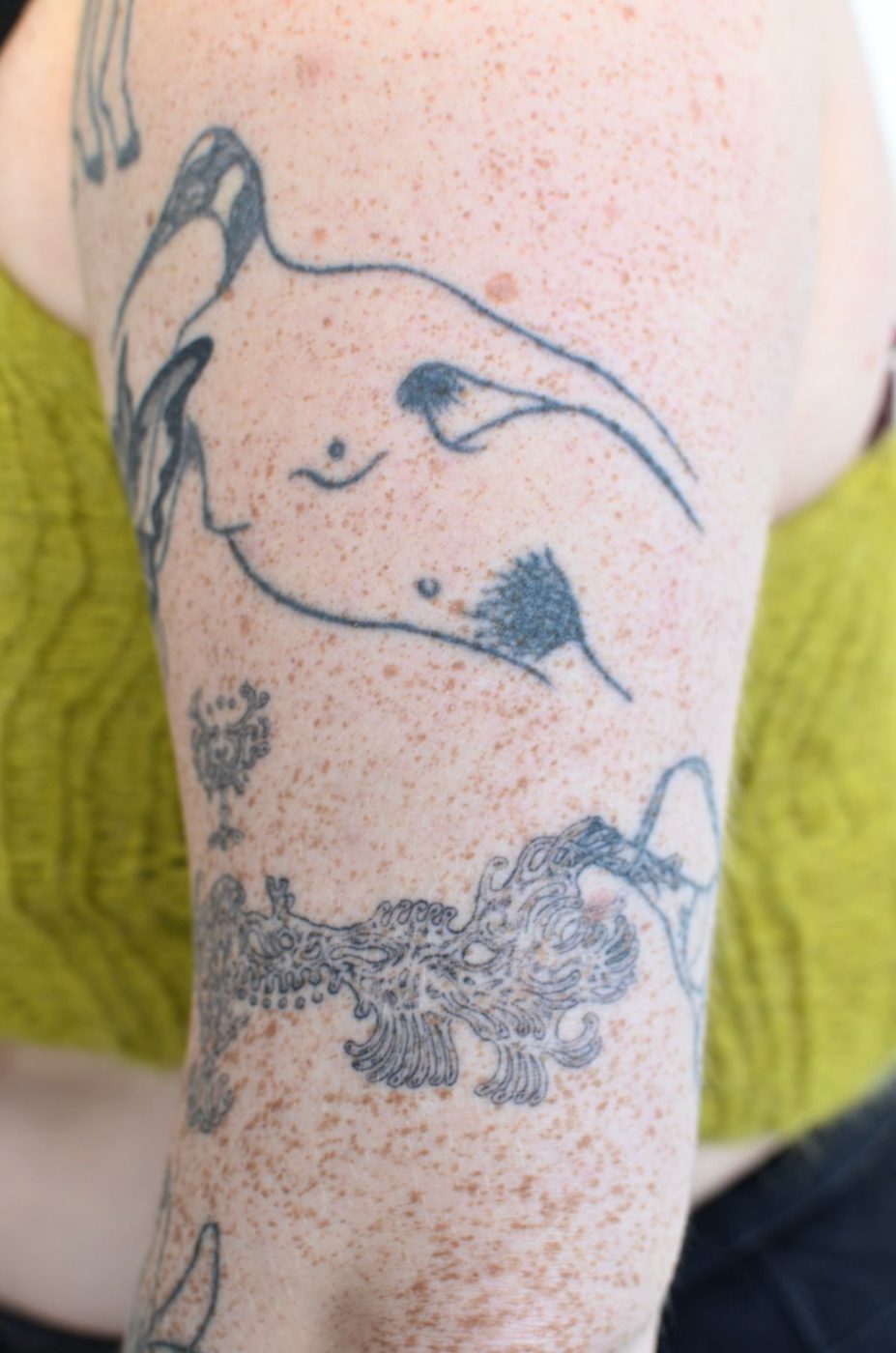
Only you can answer that, but one artist gives a clean test. It comes from an artist, not data.
Jes Valentine, a New York tattoo artist and owner of Haven Studio, told Allure in January 2026 that if you are chasing a trendy or Pinterest-style piece, you should recognize it is trending. Her test is whether the thing will matter to you in "eight or so years." We read that quote in the republished version at Glamour South Africa, which credits Allure.
Hepcat's version, from Insider in 2022, is that celebrity-linked designs date fast and old classics last.
Our own checklist, not a study:
- Would you still want it if nobody had posted one this year?
- Does it fit your existing line weight and scale?
- Does it block a spot a bigger piece might want?
- Has your artist shown you healed work of the same detail level?
What the evidence does and does not say
Be clear about what you are standing on. The planning advice here comes from shop blogs and a handful of artist quotes. Shop blogs are promotional and several sell something. Nobody we found measured how patchwork collections age.
The aging science is real but general. It comes from dermatologists and a studio, and the interview with Kluger was published by an aftercare brand. Mesa, Valentine, Hepcat and Aggarwal are individual opinions.
We could not verify a recommended gap between pieces, a figure for how often people regret sticker tattoos, or any claim about how white borders heal specifically. If you see a confident number for any of those, ask where it came from.
Conclusion
Plan the limb, not the next piece. Put anchors down first, leave gaps on purpose, and pick two or three style rules you will not break. Ask every artist for healed photos of the exact detail you want, especially thin white borders and tiny interior bits.
Flash is great for patchwork, custom is better for filling a tricky gap, and one artist versus many is a real trade-off between consistency and variety. Wear sunscreen. Then give the eight-year question an honest answer before you book.
To see who is doing bold, readable work in the style you like, browse artists by style on Tatulogue.
FAQ
What are sticker style tattoos? They are tattoos with bold outlines and playful imagery that look like they could be peeled off, often collected one at a time. Some artists go literal. Luke Cormier, for example, adds a white border so pieces read as stickers.
How far apart should patchwork tattoos be? We could not find an artist or shop that gives a number. The shop guides we read say to leave gaps on purpose, resist filling them quickly, and ask your artist what each piece needs for its placement and size.
Do sticker style tattoos age badly? We found no source that studied it. General guidance from dermatologists says tiny details blur within years, white and other light inks fade faster, and sun speeds breakdown. Thin white borders and tiny interior detail are the places to ask for healed photos.
Should patchwork tattoos be flash or custom? Either works. Shops say flash is built to stand alone and suits patchwork, while custom is better when a piece has to fit around existing work. Ask whether a flash design is market flash that others may get, or an artist's original that they rarely repeat.
Is it better to use one artist or several for a patchwork collection? Shops disagree. Some say one artist keeps line weight and style consistent, others call multiple artists a feature of patchwork. If you use several, bring photos of your existing work and check that each artist will design around it.