ARTICLES
Fine Line Tattoos: Everything You Need to Know Before You Book
Fine line looks incredible fresh. Here's the honest story on how it ages, what placements hold, and how to find an artist who can actually make it last.
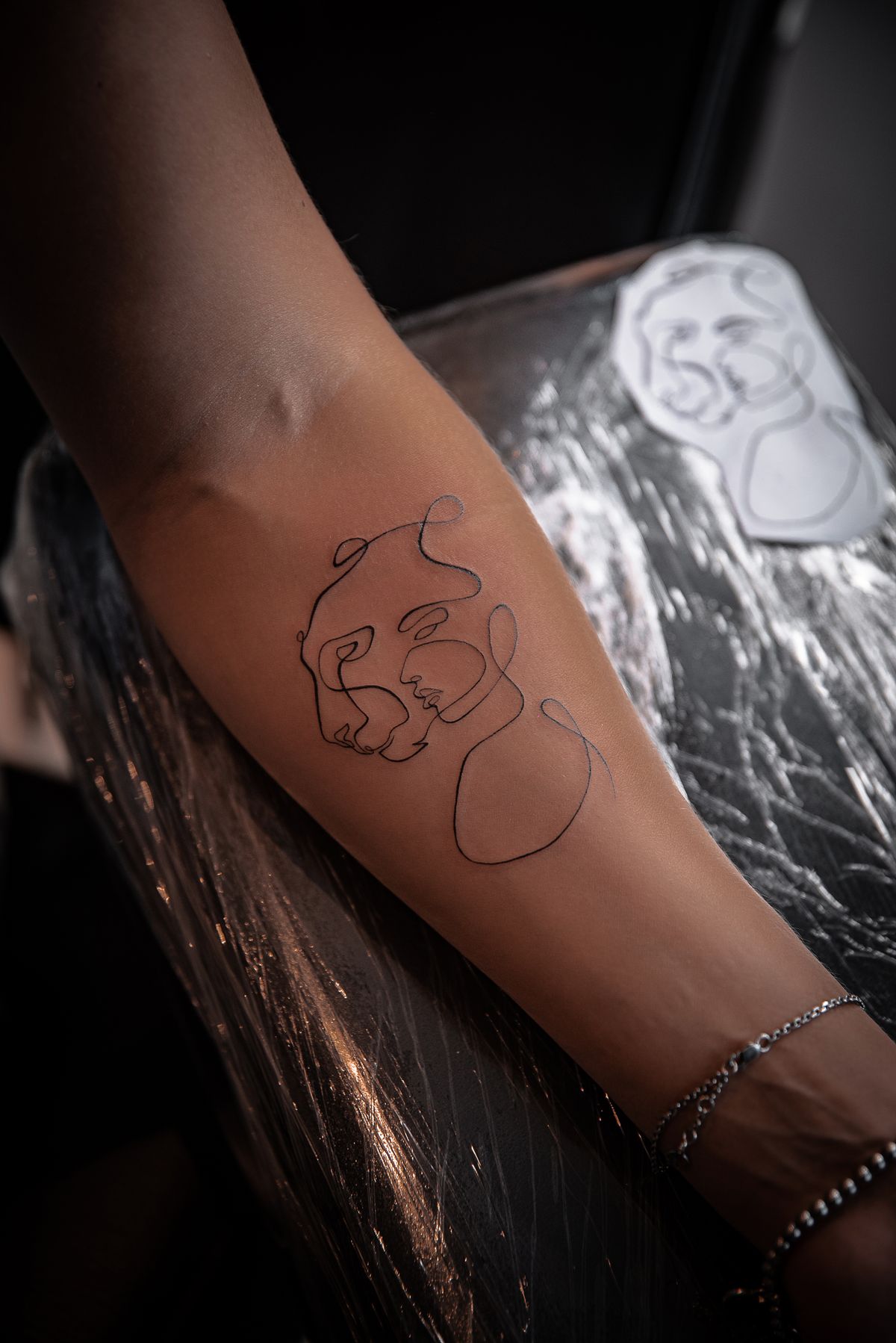
TL;DR: Fine line is thin linework done with a single needle or a small tight grouping. Tattooers and a dermatologist we read say it tends to soften and fade faster than bolder work, and placement, sun and artist skill decide how fast. We found no long-term study of fine line specifically. Ask for healed work, keep the design simple, pick stable skin, and plan on touch-ups.
Everybody wants fine line right now. Scroll long enough and it's all tiny botanicals, delicate script and single-needle work that looks like a pencil drawing laid on skin.
The style isn't the problem. Fine line is unforgiving. The artist has nowhere to hide, and the skin has nowhere to hide either.
We rebuilt this guide in October 2026 so every claim traces to a named artist, shop or dermatologist we actually read. Where nobody could give a hard number, we say so.
What Is a Fine Line Tattoo?
Fine line is a tattoo built from thin, delicate linework. The Stories & Ink journal defines it as a tattoo with very fine lines, made with either several very small needles or one single needle. Monolith Studio in Brooklyn describes it the same way: thin needles, sometimes just one, for detailed and delicate designs.
That's why it reads like a drawing and not like a tattoo. Freshly Inked makes the same point when it separates fine line from micro realism: fine line is built from thin linework rather than rendered shading, so it looks like a drawing, not a photograph.
It's also why it's fragile. There's no heavy outline holding the piece together, so every line is doing the work.
Single Needle vs Small Groupings
Single needle is the narrow end of fine line, and shops don't all draw the line in the same place. The UK shop No Regrets says fine line can use up to three needles, while single needle strictly uses one. Monolith calls single needle the purest form of fine line work, compared with the grouped configurations used in traditional tattooing. Stories & Ink lumps both under one definition.
A tattoo supplier's guide from Painful Pleasures describes single needle as a 1RL, meaning one round liner. It says the setup allows the finest lines, but it's slower and more intricate. The same guide says hand control has never mattered more, and that pressure has to be managed to avoid blowouts or damage.
So when an artist says "fine line," ask what they actually run. A single needle and a tight three-needle liner will look different, and they'll behave differently in skin.
Who Fine Line Suits
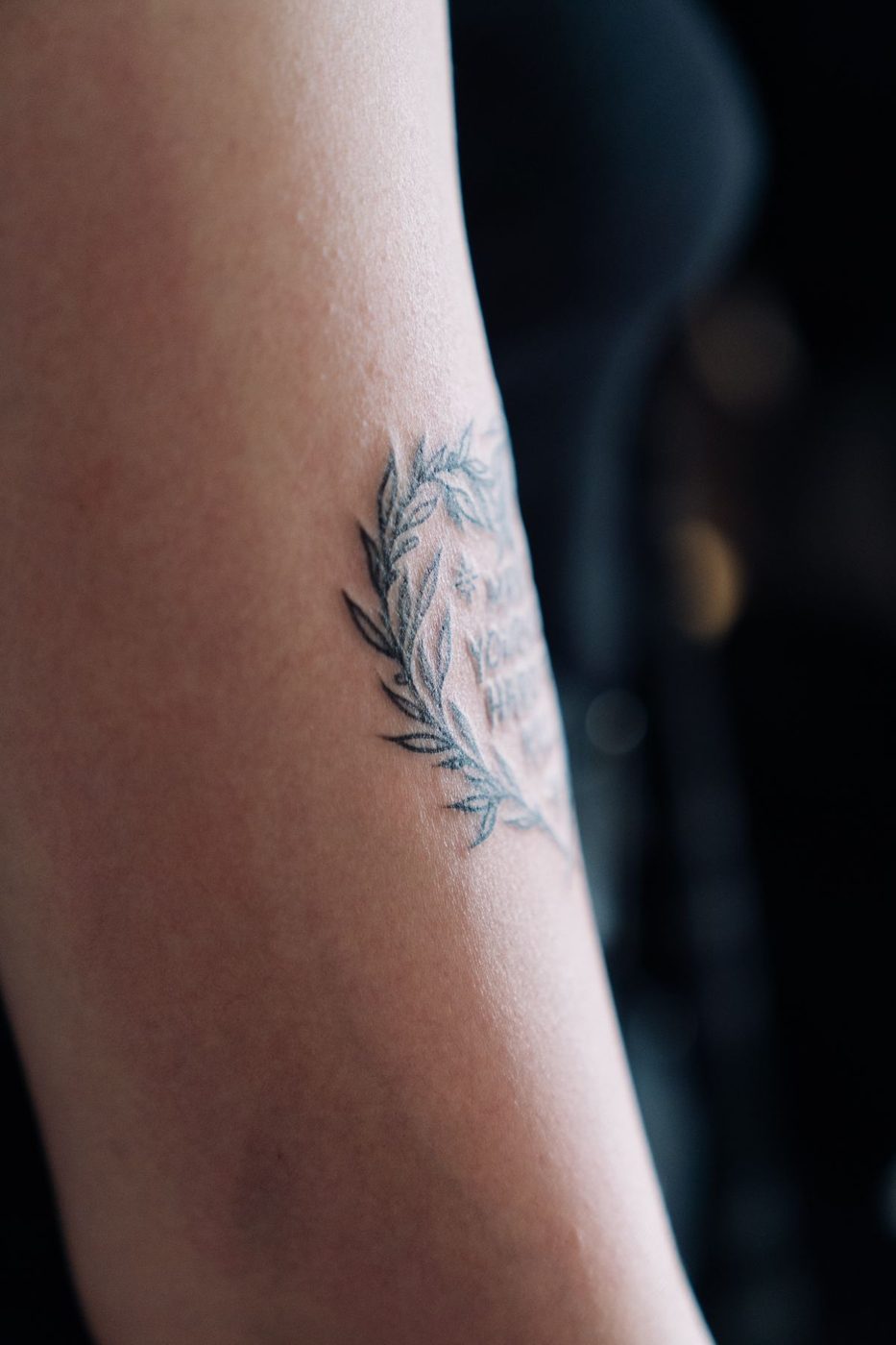
Monolith says the style appeals to people who want subtle body art and works for first-timers and seasoned collectors alike. No Regrets lists illustrative birds and insects, geometric designs and realism among the subjects single needle suits, but also says the delicacy means it's recommended for small ideas only.
What works is simple. Whitney Parnell at Oddity Tattoo in Sarasota says minimalist designs like a tiny heart, star, dot or basic shape work beautifully at a small size. Orlando tattooer Leo Palomino of Atomic Tattoos told Bustle in 2018 that bold lines and simple designs don't show as much distortion from skin regeneration.
What doesn't work is crowding. Parnell lists detailed portraits, long quotes, very small lettering and designs with lots of overlapping lines as poor candidates for small tattoos. She puts simple lettering at about a quarter inch per letter at minimum. Palomino warns that closely spaced fine lettering can become illegible, and that small intricate negative spaces fill in as the surrounding color blurs.
Two more voices point the same direction. Diana of High Hopes Tattoo in New York told Business Insider in 2023 that very detailed, very tiny tattoos may not look as good healed as fresh. Traveling artist Madeleine Rastelli said designs in the half inch to one inch range with detail or color benefit from going slightly larger.
If what you want is a photographic portrait shrunk to coin size, that's a different conversation. We covered it in our post on micro realism tattoos and whether tiny detail blurs, so we won't repeat it here.
How Fine Line Ages: What We Could and Couldn't Confirm
Start with what the sources agree on. Alice Snape writes in Stories & Ink that most tattooists agree fine line fades more quickly than regular tattoos, though longevity in any style depends on location, how you care for your skin and the quality of the tattooer's work. No Regrets and Monolith say the same thing: delicate lines tend to blur or fade sooner than traditional work.
Now the why. Parnell says pigment spreads slightly in skin as part of normal aging. Dermatologist Dr. Nicolas Kluger of Helsinki University Hospital, in a 2021 Stories & Ink Q&A, said migration of pigment via macrophages may explain why lines turn blurry. That "may" matters. It's a clinician's hypothesis, not a settled result.
The best-known ink research backs the general idea that ink moves. A mouse study from Sandrine Henri and Bernard Malissen's team in Marseille found that immune cells called macrophages hold tattoo ink, release it when they die and recapture it in their replacements. Malissen said fading is likely from small amounts of pigment being drained away over those cycles. Popular Science notes that applying this to humans is still theoretical.
One shop, Certified Tattoo Studios, offers a mechanical explanation: fine line uses thinner needles, so the ink doesn't sit as deep. We found that from one shop only, so treat it as their explanation, not a measured fact.
Here's the part that matters most, and nobody dresses it up. Painful Pleasures says there's very little evidence yet on how fine line or single needle tattoos hold up over decades. We found no study that measures it either. Anyone quoting you a precise number of years is guessing.
Dr. Kluger names sun as the main risk for accelerated fading, whether right after tattooing or chronic and unprotected. He also notes the dermis thins and loses density as we age. Our broader write-up on how tattoos age covers the rest.
Placement: Where It Works and Where It Fights You
Stable skin holds detail better than skin that moves, stretches or rubs. That's the working rule across the sources, even if none of them give a ranked list.
Better bets. Solana Tattoo Company in Fort Collins says to choose skin that changes less over time, with less movement and fewer wrinkles, and names the forearm, upper back and thigh as better choices for tiny tattoos.
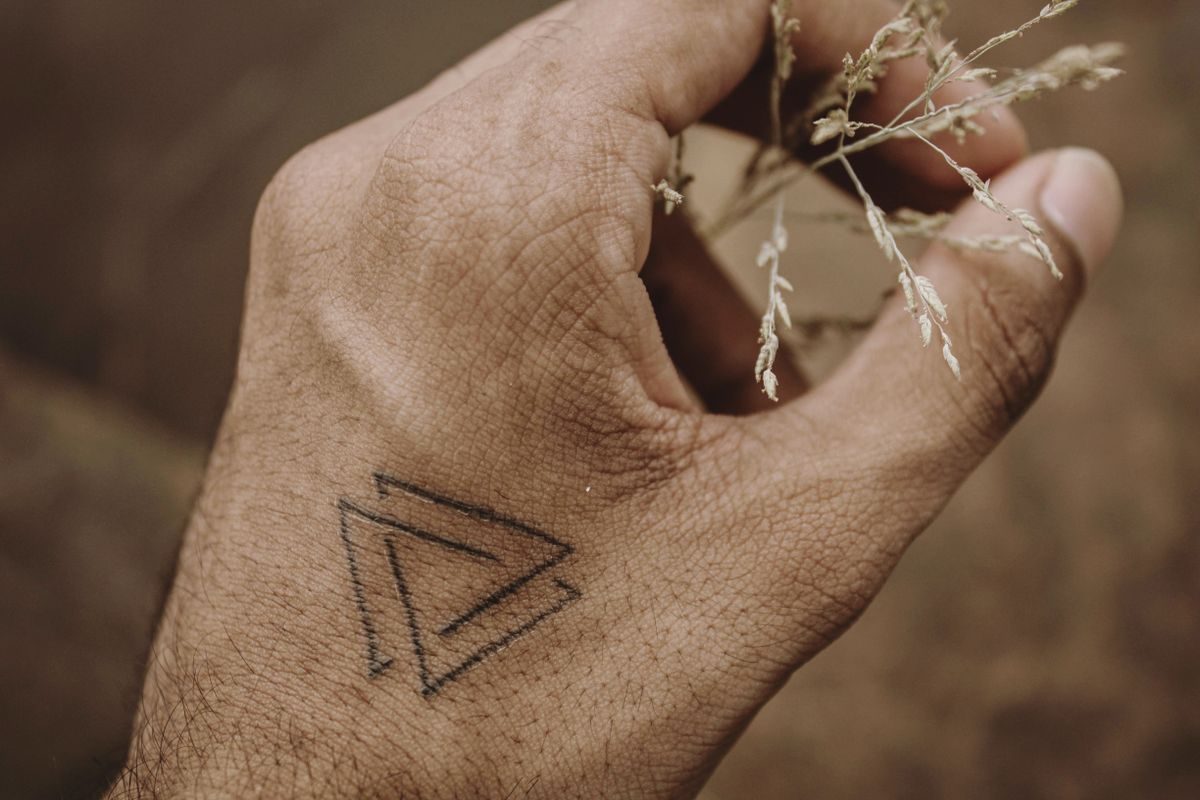
Tougher spots. Think Tank Tattoo in Denver says high-motion areas, spots that rub constantly and places where skin flexes hard are tougher environments. Palomino adds specifics: he says hand and finger skin is thick and doesn't hold ink well, bra-line friction leads to fading, joints can cause broken lines, and behind the ear tends to fade fast. Dr. Kluger advises avoiding areas at risk of rapid aging, naming the face, hands, palms, soles, neck and elbows.
That doesn't mean nobody should tattoo a finger. It means you go in knowing the odds, and you ask for healed work on that exact spot.
Platinum Ink, an Austin studio, adds that skin thickness, elasticity and body location all play into blowouts, and suggests asking your artist about their experience with tricky placements and small, detailed line work. If your artist tells you to move a design, listen. They usually have a technical reason.
Our full tattoo placement guide goes deeper on body mapping.
How to Check an Artist's Healed Work
This is the single best filter for fine line, and the easiest one to skip. Platinum Ink puts it plainly: it's easy to make a tattoo look good fresh, and healed results tell the real story.
We aren't running a fresh versus healed photo comparison in this post. No stock photo can tell you how a specific artist's work heals. The real thing has to come from the artist, so here's how to ask for it and what to look for.
What to ask for
- Healed photos of fine line specifically. Platinum Ink says to look for a portfolio showing healed tattoos, ideally in the placement you want.
- How old "healed" is. No source gives a universal cutoff. Art N Soul, a shop that publishes a guide to choosing a fine line artist, wants multiple healed examples at least six months old. Freshly Inked, writing about micro realism, asks for a year or two. Longer tells you more.
- Fresh and healed of the same piece. Think Tank says to ask for both, because fresh work can look sharper than healed.
- Close-ups with minimal editing. Think Tank says wide shots can hide weak execution, and Art N Soul wants close-ups that show true detail. The Vanishing Tattoo, in its micro realism guide, asks for unfiltered healed photos.
- Their earliest fine line pieces next to recent ones. Art N Soul suggests this to see whether they've actually improved.
What to look for
- Line consistency. Think Tank says crisp lines should look intentional end to end, with smooth curves and even spacing. Art N Soul says to hunt for wobbles and thickness changes.
- Blowouts. A blowout is ink that spreads outside the lines. A 2010 case report in the Journal of Drugs in Dermatology says it's thought to occur when ink is injected too deeply. Platinum Ink says true blowouts show up as ink stains beyond the tattoo's edges, and that some tattoos look hazy while healing, so give a tattoo at least four to six weeks before judging it. Our read: a "healed" photo taken a week out proves nothing.
- Fading and legibility. On older pieces, check whether tiny gaps are still open and lettering is still readable. Palomino's warning is that small negative spaces fill in, so that's where the damage shows first.
- Range. Art N Soul suggests counting how many different skin tones show up in the portfolio, and Platinum Ink wants to see your placement. If the portfolio never shows your kind of skin or spot, ask for it.
What to ask in the consult
Think Tank says an artist who can explain why a design should be adjusted, resized or moved is usually a good sign. Magnum Tattoo Supplies suggests asking about their process and how they keep lines sharp and clear. Art N Soul suggests asking how long they've specialized in fine line and what share of their current work it is.
If they have no healed work at all, that isn't automatic disqualification for a newer artist. But it's information, and you're the one paying for the experiment. Our guide on how to vet a tattoo artist covers the wider checklist, and you can browse artists by style on Tatulogue and run these checks on whatever you find.
Session Time, Cost and Pain
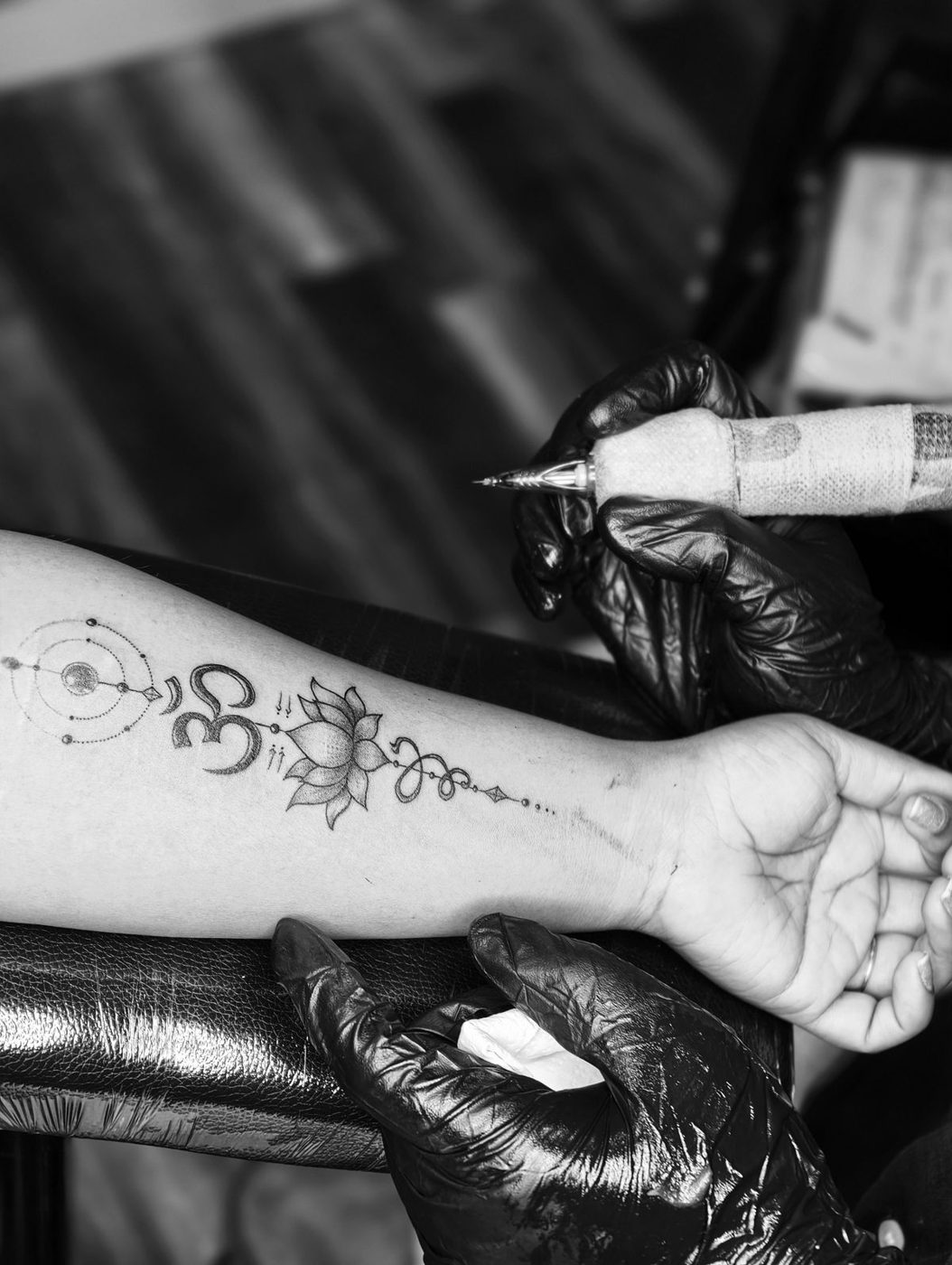
Monolith Studio says a fine line tattoo typically takes between 30 minutes and several hours, depending on size, detail and shading, and that prices vary with location, artist experience and design complexity. We couldn't find a sourced price range we trust, so we're not giving one. Get a quote from the artist.
On pain, Stories & Ink says fine line might hurt slightly less than a bold, thick-lined tattoo because the tattooer usually uses smaller needles. "Might" is the right word. Placement matters too, so don't assume.
Touch-ups are part of the conversation. Solana says many tiny tattoos may need touch-ups to keep their detail and clarity. Monolith says its artists always offer a free touch-up on fine line, so ask your artist what their policy is before you book.
Healing and Aftercare
Stories & Ink says to heal a fine line tattoo the same way you'd heal any other tattoo. Monolith says the surface typically heals in two to three weeks, with the deeper layers taking two to three months. Those are one shop's numbers, so let your artist's instructions lead.
The American Academy of Dermatology gives a few firm rules for tattooed skin. Use a broad-spectrum, water-resistant sunscreen of SPF 30 or higher, applied 15 minutes before going outside and reapplied at least every two hours. Stay out of tanning beds, because UV can fade some tattoo inks. Skip petroleum-based products like petroleum jelly, which the AAD says can cause ink to fade, and use a water-based lotion or cream if the skin gets dry.
One more from the AAD: tattoos can make early skin cancer signs harder to spot, so it recommends considering skin free of moles for a new tattoo.
For the full healing walkthrough, products and what to avoid, use our tattoo aftercare guide.
Mistakes That Wreck Fine Line
Going too small or too detailed. Parnell, Rastelli and Palomino all warn that crowded little designs lose legibility. Size it up and simplify.
Booking off fresh photos. Every fine line tattoo looks good fresh. Healed work is the proof.
Skipping sun protection. Dr. Kluger and the AAD both flag UV as a fading risk. Cover it up or sunscreen it.
Ignoring placement. If the artist says the design won't hold on a moving or rubbing spot, believe them.
Not planning for touch-ups. Multiple sources say fine line commonly needs them. Budget for it up front.
Fine line is a legitimate craft, and the artists who are good at it have the healed work to prove it. The honest trade-off is that thin lines have the least margin for skin to be skin. Pick someone who shows real healed pieces, keep the design simple, put it somewhere stable, and protect it from the sun.
FAQ
How long do fine line tattoos last? We couldn't find a verified number of years, and we found no long-term study of fine line specifically. Stories & Ink reports that most tattooists agree it fades more quickly than regular tattoos, and that longevity depends on placement, skin care and the artist's quality of work.
Do fine line tattoos fade faster than other tattoos? According to the sources we read, yes, generally. Stories & Ink, Monolith Studio and No Regrets all say fine line tends to fade or blur sooner than traditional work. Dr. Nicolas Kluger names unprotected sun exposure as the main risk for accelerated fading.
Do fine line tattoos hurt less? Possibly slightly. Stories & Ink says fine line might hurt slightly less than a bold, thick-lined tattoo because tattooers usually use smaller needles. Placement also affects pain.
What is the difference between fine line and single needle? Single needle uses one needle, while fine line is the broader style. No Regrets says fine line can use up to three needles, while single needle strictly uses one. Other sources, like Stories & Ink, use a looser definition, so ask your artist what they run.
Do fine line tattoos need touch-ups? Often. Solana Tattoo Company says many tiny tattoos may need touch-ups to keep their detail, and Certified Tattoo Studios says fine line usually needs one every few years. Ask your artist about their touch-up policy before you book.
Where is the best place to get a fine line tattoo? Pick skin that moves, stretches and rubs less. Solana Tattoo Company names the forearm, upper back and thigh as better choices for tiny tattoos. Palomino and Dr. Kluger both advise caution with hands, fingers and other fast-aging or high-friction areas.