ARTICLES
Laser Tattoo Removal Cost: How Many Sessions and What to Expect
Laser tattoo removal cost, session counts, risks and who should do it, pulled from dermatology and medical sources. The ranges are wide, and we show why.
TL;DR: Laser tattoo removal cost has no single number. Medical and consumer sources put averages somewhere between roughly $420 and $700 per session, and full removals anywhere from $1,000 to $10,000. Cleveland Clinic says six to 12 visits, sometimes more. Color, skin tone and who holds the laser all change the plan. Dermatologists say see a board-certified one. Nothing here is medical advice.
You wanted it gone yesterday. The laser does not care.
If you are pricing out laser tattoo removal cost for the first time, here is the unglamorous part up front: nobody can quote you a clean number, and anyone who does without looking at your skin and your ink is guessing. Sessions are spread weeks apart. Price depends on size, colors, the clinic and the provider. Some ink fades well and some barely moves.
We went through what dermatology and medical sources say. Where they disagree, we show the range. Where a number comes from a clinic or a consumer site, we say so.
We are a tattoo site, not a medical one. Use this as a briefing before you sit down with a board-certified dermatologist, not a replacement for one.
How does laser tattoo removal work?
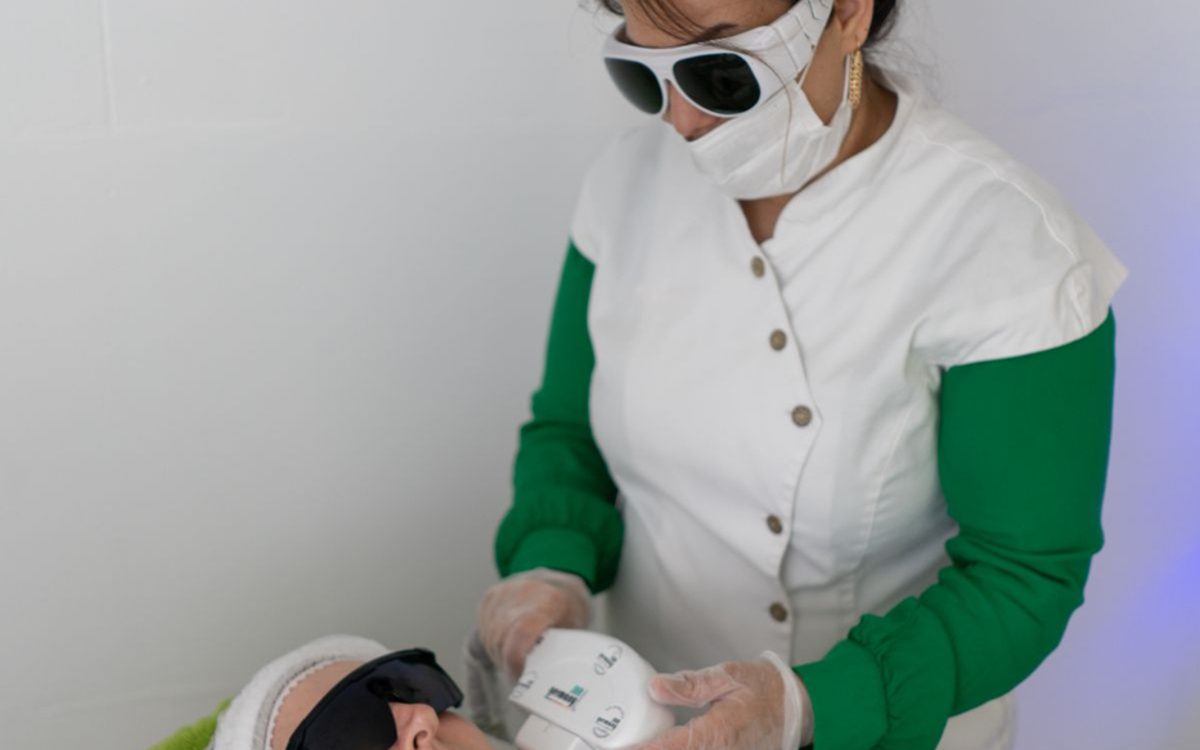
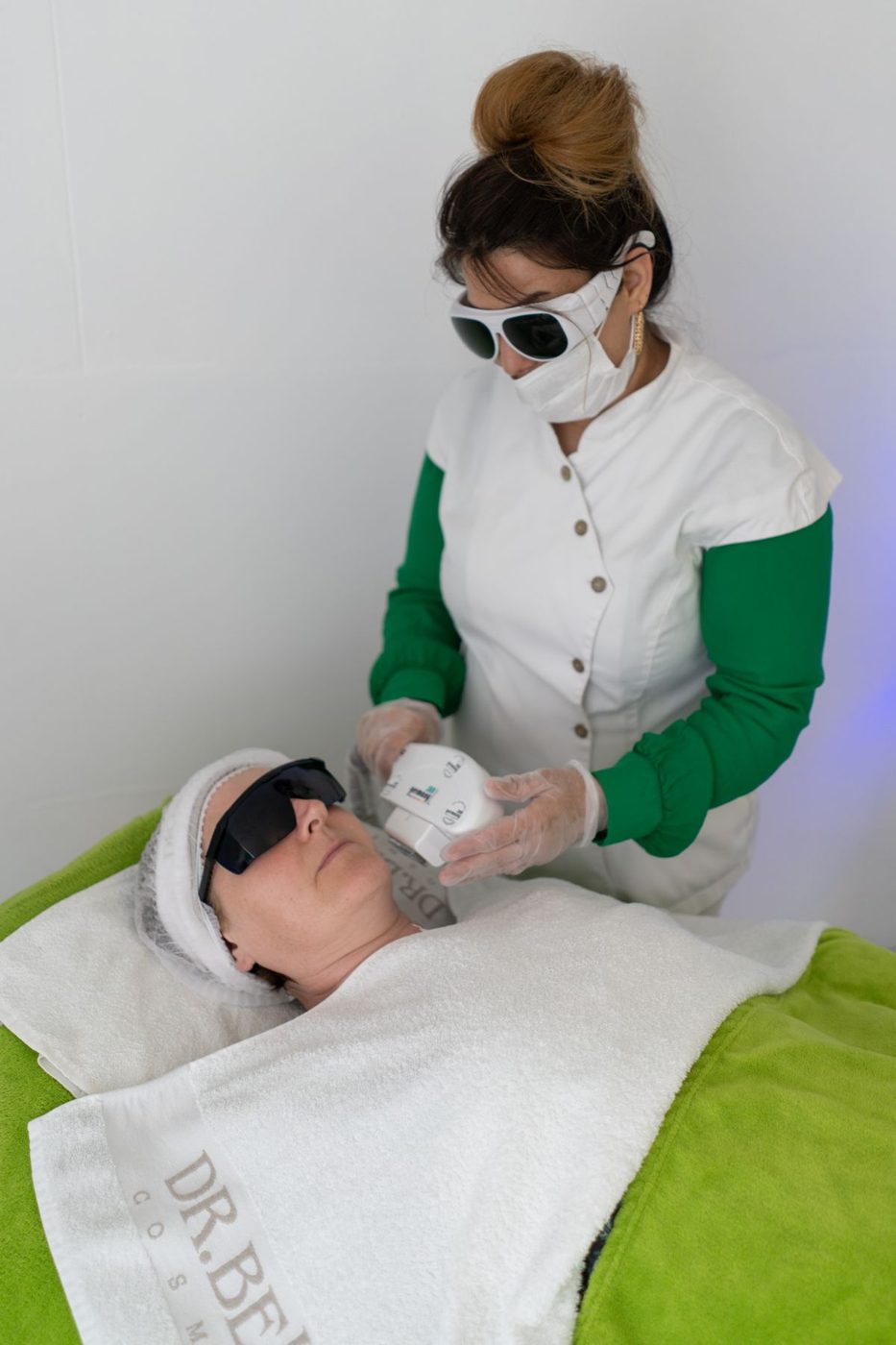
The laser breaks the ink into tiny particles with light, and your body slowly clears them out. That is the whole idea, according to the American Academy of Dermatology. Cleveland Clinic describes the same thing: the pulses heat the ink so it breaks into smaller pieces your immune system can carry off.
Here is why one visit is never enough. The AAD says tattoo ink is layered, so one session cannot safely break down all of it. Skin also needs time to heal between visits, and the body needs time to flush what the laser shattered.
The AAD also says one laser cannot remove all ink colors, though newer lasers can handle colors that used to be tough.
How many sessions does it take?
There is no standard count, and the sources disagree. Cleveland Clinic says it can take six to 12 visits and sometimes more before you see results. WebMD says four to 15 sessions or more. Plan for a range, not a promise.
| Source | What it says about session count |
|---|---|
| Cleveland Clinic | Six to 12 visits, sometimes more |
| WebMD (medically reviewed, 2023) | 4 to 15 sessions, or more |
| 2007 review in Seminars in Plastic Surgery | 6 to 10 treatments or more |
| Kirby-Desai paper, 100 patients (2009) | Average about 10, range 3 to 20 |
| GoodRx (medically reviewed, 2022) | 6 to 10 for most people with light skin, possibly longer for people of color |
Spacing matters just as much. The Kirby-Desai study assumed 6 to 8 weeks between treatments, and the 2007 review gives the same window. WebMD says doctors recommend waiting at least one month. The AAD does not give a number.
Our math, not a quote: 12 visits at 6 to 8 weeks apart is 72 to 96 weeks. That is well over a year.
What pushes the count up? The Kirby-Desai scale scores six: your skin type, where the tattoo sits on your body, ink color, amount of ink, scarring or tissue change, and layering. It was a retrospective review of 100 patients, and the authors themselves say larger studies are needed.
The AAD advises against stopping early.

What does laser tattoo removal cost?
Averages in the sources run from about $423 to $697 per session, but those figures come from different years and different definitions. Totals are wider still, up to $10,000 by one consumer estimate.
| Source | Figure | Catch |
|---|---|---|
| American Society of Plastic Surgeons | $697 average for laser skin treatments like tattoo removal | Not tattoo-only, year not stated, excludes related expenses |
| GoodRx citing ASPS | $423 average for laser removal in 2020 | Older data |
| Healthline citing ASAPS | $463 per session | Page does not make the data year clear |
| GoodRx | $1,000 to $10,000 total budget; $4,000 or more for a large detailed piece | A consumer-health estimate |
| Removery, one clinic chain, as reported by GoodRx | Just under $1,100 for an extra-small one-color tattoo, about $3,600 for extra-large | One company's pricing; GoodRx does not say if it is per session or the whole course |
So who is right? Probably everyone, for different clinics. GoodRx says some providers charge a flat fee up to a certain size and others by the square inch. It also says medical spas tend to cost less than a dermatologist or plastic surgeon, and more experienced providers tend to charge more.
Our arithmetic: six visits at $423 is about $2,540, and twelve at $697 is about $8,360. Your quote will not match either.
Insurance mostly will not help. WebMD says insurers usually treat removal as not medically necessary. Cleveland Clinic says insurance rarely covers elective cosmetic procedures. GoodRx adds that you cannot use FSA or HSA funds.
Why do ink colors and skin tones change the plan?
Different ink colors absorb laser light differently, and melanin in darker skin absorbs it too. Both change how many sessions you need and how risky each one is. Cleveland Clinic says blue and black respond well, some colors are easier than others, and some may resist.
WebMD says black and blue respond well, while yellow, red and white are harder to remove. It also says pink, red and white inks are more likely to cause hyperpigmentation, and red inks are more linked to allergic reactions. An ASPS article describes reds, oranges and whites as particularly challenging.
Skin tone is the other half. Plastic surgeon Andrew Ordon, quoted in that same article, says people with darker skin need to be approached with more caution, because the procedure can affect pigment cells and cause lighter or darker patches. WebMD says darker skin carries a higher risk of both and advises picking a provider experienced with your skin type. GoodRx says treatment may need longer wavelengths, more sessions and longer healing.
Our guide on black and grey versus color tattoos covers how those ink choices differ at the tattooing end.

Are picosecond lasers better than nanosecond ones?
Maybe, but the evidence we found is thin. A 2016 systematic review of picosecond lasers found eight trials and concluded there is sparse evidence that picosecond lasers beat their nanosecond counterparts, mainly for black and blue ink. Most were non-comparative studies with a medium to high risk of bias.
That review is ten years old, and we did not find a newer head-to-head source we could open and verify. So no, we are not calling the fancy machine magic.
Plastic surgeon Andrew Ordon said in that 2023 ASPS article that newer lasers deliver light faster, which typically means fewer sessions, and put the equipment's upfront cost at potentially around $1,000 or more. That is one surgeon's view in a news article, not a trial.
Our read: ask what laser the provider uses and why they chose it for your ink and skin. Do not pay extra for a buzzword.
What are the risks?
The main risks are scarring, infection, skin discoloration, irritation or rash, and pain. Cleveland Clinic lists those, and says superficial scarring may develop in some cases. The AAD says expected effects include redness, swelling and a little blistering.
Light or dark spots tend to be the big worry. The AAD says they tend to fade within 6 to 12 months. Scarring, texture changes and burns are rare when a dermatologist uses lasers, and more common when someone without medical training does it, per the same AAD page.
Other things to know:
- Allergic reactions. A 2007 clinical review advises against laser treatment for people who have had allergic reactions to tattoo pigment, citing reports of serious ones.
- Pregnancy. The AAD says people who are pregnant or breastfeeding should not be treated.
- Moles in the tattoo. Harvard Health's blog (2013, now archived) says laser can break up pigment in a suspicious mole and make it harder to assess, and advises checking for moles in a tattoo before treatment.
- No guarantee. Cleveland Clinic says full removal is not guaranteed.
Skip creams and kits. The AAD says the FDA warns against them, and there is no evidence they remove tattoos.
What does healing look like?
Expect a rough few days, then a long sun-protection stretch. Cleveland Clinic says that after its own laser treatment the area is typically red, swollen or bruised for several days, followed by slight crusting, and a 2007 review describes scabbing for 7 to 10 days with blistering possible.
The rules are consistent across the sources:
- Follow your provider's instructions. The AAD says these may include washing the area and using antibiotic ointment for a few days.
- Do not pick at the skin. Cleveland Clinic says picking can lead to scarring.
- Keep appointments, and keep treated skin out of the sun. The AAD says to protect it for 3 months with clothing that blocks light fully.
- Get care right away for severe pain or swelling, per Cleveland Clinic.
This is not the same job as healing a new tattoo. Our tattoo aftercare guide covers that one. For laser, your provider's rules win.
Removal or cover-up?
A cover-up changes what the tattoo looks like. Laser changes what is in your skin. They are different answers to different problems, and we have a whole breakdown in our cover-up guide.
Our read, not a sourced claim: if the issue is the design, a skilled cover-up artist may solve it without a laser. If you just want the tattoo gone, removal is the honest path. Some people lighten first, so ask your cover-up artist whether that would help your piece.
Who should do it, and what should you ask?
The AAD recommends a board-certified dermatologist, because results depend largely on the person doing the removal. It says tattoo artists and aestheticians often use only one laser, so some ink may be left behind. Cleveland Clinic says a licensed or certified healthcare provider who specializes in removal, such as a dermatologist, and warns that tattoo parlors or spas carry some risks.
The ASPS, for its part, recommends a board-certified plastic surgeon. The common thread is medical training.
Walk into the consult with these:
- Who is the board-certified physician, and are they there on treatment days?
- What lasers do you have, and will they work on my colors?
- How many sessions do you expect for my piece, and what is the range?
- Do you test a small spot first? (Ask; we did not find a source requiring it.)
- What is the full cost, in writing, including follow-ups? WebMD advises getting all charges in writing.
- How much experience do you have with my skin tone?
- What is the aftercare plan, and who do I call if something looks wrong?
Same instincts you would use when you vet a tattoo artist. Look at their work, not just their ad.
The short version
Laser tattoo removal is slow, rarely cheap, and not guaranteed. The best sources we found say plan for many sessions, wide pricing and uneven results depending on ink color and skin tone. Insurance rarely pays.
Pick a medically trained provider, ask about the laser, and get costs in writing before you book. Still planning your next piece? Our first tattoo guide is worth a pass before you commit.
When you are ready to find an artist whose style you will not want to remove, browse artists by style on Tatulogue. And before any removal decision, talk to a board-certified dermatologist, not a blog.
FAQ
How much does laser tattoo removal cost?
Sources disagree. Averages quoted run from about $423 to $697 per session depending on the source and year, and GoodRx suggests budgeting $1,000 to $10,000 total for body art removal. Your real price depends on the clinic, the size and the number of visits.
How many laser sessions does it take to remove a tattoo?
There is no fixed number. Cleveland Clinic says six to 12 visits and sometimes more, while WebMD says 4 to 15 or more. A board-certified dermatologist can estimate for your tattoo.
Does insurance cover laser tattoo removal?
Usually not. WebMD says insurers generally do not consider removal medically necessary, and Cleveland Clinic says insurance rarely covers elective cosmetic procedures. Check with your insurer and the clinic before you start.
Can laser tattoo removal leave scars or change skin color?
Yes, it can. Cleveland Clinic lists scarring, infection and skin discoloration among the risks, and the American Academy of Dermatology says light or dark spots tend to fade within 6 to 12 months. Scarring is rare when a dermatologist does the work, according to the AAD.
Who should do laser tattoo removal?
The American Academy of Dermatology recommends a board-certified dermatologist, because results depend largely on who does the removal. Cleveland Clinic recommends a licensed or certified healthcare provider who specializes in removal, such as a dermatologist.