ARTICLES
Who Actually Owns Your Tattoo Supplies? The Rollup Nobody Talks About
Two holding companies now own a huge share of the tattoo supply brands artists use daily, from Kingpin and TATSoul to World Famous and FK Irons. Here's what's actually documented, and why it matters.
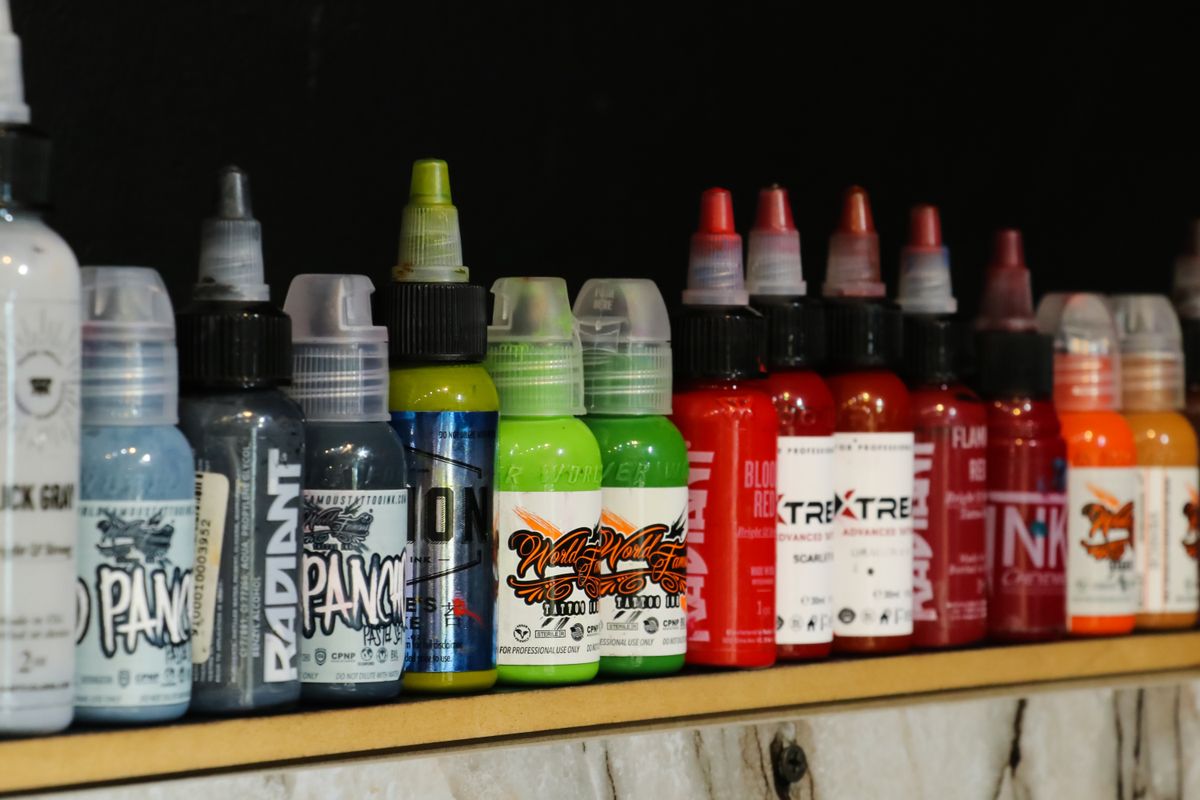
Look at the brand names on the shelf at your shop: Kingpin, TATSoul, Bishop, World Famous, FK Irons, Painful Pleasures. They look like a hundred different independent companies. A lot of them aren't. Two holding companies have quietly bought up a large share of the names artists rely on every day, and most people in the chair, or holding the machine, have no idea.
I wanted to actually check this out instead of just repeating what I'd heard, so here's what's documented, what's murky, and why it's worth knowing where your money goes.
What Is a Rollup, Actually?
A rollup is when an investor buys up a bunch of smaller companies in the same industry and combines them into one bigger company. The pitch to investors is simple: buy several mid-size brands, cut shared costs like manufacturing and distribution, and sell the combined company for more than the sum of what you paid for the pieces. It's a well-worn private equity playbook, not unique to tattooing, but tattooing has had its own version of it since at least 2015.
Nexus Brands Group Owns More of Your Shop Than You Think
This one is well documented. In November 2015, private equity firm Bunker Hill Capital acquired Kingpin Tattoo Supply and used it as the foundation for a new company, Nexus Brands Group, installing Brian Etter as CEO. TATSoul joined the same family shortly after. Since then, Nexus has folded in Bishop, Critical, Inkeeze, and Barber DTS, building what Bunker Hill's own site calls the largest family of branded tattoo supply manufacturing and distribution companies in North America.
Here's the part that's harder to pin down: Bunker Hill Capital exited its investment in November 2017. Nexus kept operating and kept acquiring, but I couldn't find a clean, current public source confirming exactly who owns it today. What's clear is that it was built by a private equity firm as a rollup, and it's stayed a privately held, consolidated group ever since. If you've bought Kingpin, TATSoul, Bishop, Critical, Inkeeze, or Barber DTS products, you've been buying from the same house whether the label made that obvious or not.
Body Art Alliance Is Even Bigger
Body Art Alliance started differently. It was founded in 2020 by the people who actually built four body art companies: FK Irons, Painful Pleasures, NeoMetal, and World Famous Ink. That's not an outside private equity fund parachuting in, that's operators combining their own companies.
But it grew fast. Body Art Alliance's own brand list now runs well past 20 names across tattoo, permanent makeup, and body jewelry, including A Pound of Flesh, Kuro Sumi, Perma Blend, Anatometal, Peak Needles, and Recovery Aftercare (the company behind the Derm Shield bandages a lot of shops use). By August 2023, Reuters reported that Body Art Alliance was exploring a sale that could value it near a billion dollars, working with investment bank Jefferies. I couldn't confirm whether that sale actually closed or who, if anyone, owns the company now. What's confirmed is the scale: a company built by four brand founders had grown into something worth shopping around at private equity money.
Why This Matters for Where Your Money Goes
When one company owns dozens of brands across a whole supply chain, competition between those "different" brands gets thinner, and profit gets pulled up and out to whoever holds the equity instead of staying with the people actually running the shop floor. That's not a conspiracy, it's just how consolidation works in any industry. The dollars you spend on ink or needles from a rollup-owned brand are funding that structure, not necessarily the artists or the local supply shop you think you're supporting.
None of this makes any individual brand under Nexus or Body Art Alliance bad, plenty of tattooers use and like their products. It just means the "which brand do I buy from" question isn't really about dozens of independent choices anymore. A lot of those choices funnel into two houses.
What Buying Independent Actually Looks Like
This is exactly why we built Tatulogue the way we did. We turned down venture capital and corporate money on purpose, our operator agreement only allows investment from inside the tattoo industry, from tattooers and independent supply companies. You can see who's actually invested, real names, real shops, not a fund.
Buying independent doesn't mean boycotting every brand that's part of a bigger group, that's not realistic for most shops. It means knowing which of your purchases stay in your community and which ones don't, and making that choice deliberately instead of by accident. If you run a shop or supply company and want to be part of the alternative, reach out, that's the whole point of building this outside the usual money.
Want more of this kind of digging into how the tattoo industry actually works, not just style guides and placement advice? The Tatulogue newsletter covers both.